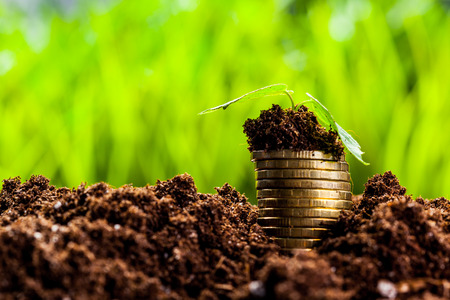

Introduction to Money Plant in India
The Money Plant, scientifically known as Epipremnum aureum, holds a special place in Indian households. Popularly referred to as “Money Plant” in India, this lush, evergreen creeper is cherished not just for its beauty and ease of care but also for its deep cultural and spiritual significance. Across the country, it is common to find Money Plants thriving in homes, offices, and balconies, where they are often nurtured with great devotion.
In Indian tradition, the Money Plant is widely believed to attract wealth, prosperity, and good fortune. Its association with financial growth has made it a staple in Vastu Shastra—the ancient Indian science of architecture and placement. According to Vastu principles, keeping a healthy Money Plant at home or workplace helps balance energy, removes financial obstacles, and enhances positive vibrations. The plant’s heart-shaped leaves are seen as symbols of abundance and good luck.
Moreover, the Money Plant is appreciated for its adaptability and resilience. Whether grown in water or soil, indoors or outdoors, it flourishes with minimal care—making it an ideal choice for urban Indian settings where space may be limited. Its air-purifying qualities add another layer of value by contributing to a healthier living environment.
This guide will take you through everything you need to know about propagating the Money Plant from seeds and cuttings, best practices for planting, and tips grounded in both horticultural knowledge and Indian cultural wisdom. By understanding the importance of the Money Plant in Indian life and tradition, you can make the most out of this beloved green companion.
Types of Money Plant Seeds and Cuttings
In India, Money Plant (commonly known as Pothos or “Scindapsus aureus”) is a favourite among home gardeners due to its easy maintenance and auspicious reputation in Vastu Shastra. When it comes to propagation, Indian nurseries and local markets offer several types of seeds and cuttings. Below is a detailed description of the commonly available options and their popularity among Indian gardening enthusiasts.
Seed Types Available in Indian Markets
While Money Plant is most popularly propagated through cuttings, seeds are occasionally available, especially for certain varieties like “Jade Money Plant” (Crassula ovata). However, seeds are less preferred due to lower germination rates and longer growth periods.
| Type | Availability | Preferred By | Remarks |
|---|---|---|---|
| Pothos Seeds | Rare | Collectors, Nurseries | Difficult to germinate; not common in homes |
| Jade Money Plant Seeds | Occasionally in specialty stores | Bonsai lovers, Enthusiasts | Requires patience and special care |
Common Types of Money Plant Cuttings in India
Propagation by cuttings is the most trusted method among Indian gardeners. Cuttings can be acquired from friends, neighbours, or local nurseries at minimal cost. There are mainly two types:
| Type of Cutting | Description | Popularity in India | Best Use Case |
|---|---|---|---|
| Stem Cutting (with Node) | A 4-6 inch stem with at least one node; roots easily in water or soil. | Most popular method among households and terrace gardens. | Indoor pots, Hanging baskets, Bottle gardens |
| Leaf Cutting (rarely used) | A single leaf with a bit of stem; slower rooting process. | Less common due to slow growth. | Experimental gardening, School projects |
| Mature Vine Segment | A longer vine section with multiple nodes; provides fuller plants quickly. | Loved by balcony gardeners for quick results. | Bigger pots, Outdoor railing decoration |
Preferred Choices Among Indian Gardeners
The stem cutting method is hands-down the favourite across the country—whether you are buying from a local nursery in Delhi’s Sadar Bazaar or getting a cutting from a neighbour in Chennai. This method suits India’s climate and busy urban lifestyle. For those looking to experiment or grow rare species, seeds and mature vine segments are also considered, but these require more attention and time. Overall, the tradition of exchanging cuttings between families and friends remains strong, reflecting the communal spirit found in many Indian cities and towns.

3. How to Propagate Money Plant from Cuttings
Growing a money plant (Epipremnum aureum) from cuttings is a popular and auspicious method among Indian households, as it is believed to bring prosperity and positive vibes. Here is a step-by-step guide tailored for Indian gardeners, blending modern best practices with traditional wisdom:
Step 1: Selecting the Right Stem Cutting
Choose a healthy and mature money plant vine. Make sure the stem has at least 2-3 nodes (the small bumps where leaves grow). In India, it is often considered lucky to take cuttings on Thursdays, which are associated with wealth and growth.
Step 2: Preparing the Cutting
Using a clean, sharp knife or scissors, cut a section of the stem just below a node. Each cutting should be 4-6 inches long. Remove the lower leaves, leaving one or two at the top. Some gardeners in India also dip the cut end in turmeric powder to prevent fungal infections – a time-honoured desi trick!
Step 3: Rooting in Water
Place the cuttings in a glass or clay pot filled with clean water, ensuring that at least one node is submerged. Change the water every 2-3 days to keep it fresh. Traditionally, many Indian homes use Ganga jal (holy water) for an auspicious start, but filtered tap water works too.
Traditional Tip:
Add a few drops of neem oil or a pinch of cinnamon to the water to prevent bacterial growth, as commonly done in Indian households.
Step 4: Planting in Soil
Once roots appear (usually within 2-3 weeks), transplant the cutting into a pot with well-draining soil. In India, mixing garden soil with sand and compost (such as cow dung compost) creates an ideal medium. Place the pot in indirect sunlight; direct sun can scorch the tender leaves.
Best Practice:
Avoid overwatering—check the soil moisture before each watering. Money plants thrive in humid Indian climates but dislike soggy roots.
Extra Local Tip:
Many Indian families place their money plant near the entrance or on balconies facing north or east, following Vastu Shastra principles for maximum good fortune.
By following these simple steps—rooted both in practicality and tradition—you can easily propagate healthy money plants from cuttings and add greenery, luck, and charm to your home or office space.
4. Best Soil and Planting Methods for Indian Climate
When growing Money Plant (Epipremnum aureum) in India, selecting the right soil and planting method is crucial for healthy growth, especially in urban homes where space is limited. Here’s a practical guide tailored to Indian weather and modern apartment living.
Recommended Soil Mixes
Money Plants prefer well-draining, nutrient-rich soil. In India’s varied climate—hot summers, humid monsoons, and mild winters—a balanced mix helps prevent waterlogging and root rot. For best results, use the following soil mix:
| Soil Component | Proportion | Benefits |
|---|---|---|
| Garden Soil | 40% | Provides structure & essential minerals |
| Cocopeat or Peat Moss | 30% | Retains moisture, promotes aeration |
| Compost or Vermicompost | 20% | Adds organic nutrients for healthy growth |
| Sand or Perlite | 10% | Improves drainage, prevents root rot |
Pot Selection for Urban Indian Homes
For flats and apartments, space-saving is key. Money Plant thrives in small to medium-sized pots. Choose containers with proper drainage holes to avoid stagnation during the monsoon. Here are some tips:
- Ceramic or Plastic Pots: Lightweight and easy to move around balconies or windowsills.
- Hanging Planters: Maximize vertical space by hanging money plants near windows or on balcony grills.
- Bottle/Jar Propagation: For cuttings, use glass bottles or jars filled with water—popular in many Indian households for decorative indoor greenery.
Planting Techniques Suited for Indian Conditions
- Sowing Seeds: Place seeds just below the surface of moist soil. Keep in indirect sunlight until germination begins.
- Planting Cuttings: Use healthy stems with at least 2-3 nodes. Insert nodes into moist soil or place directly in water until roots appear, then transplant to soil if desired.
- Avoid Overwatering: In humid climates like Mumbai or Kolkata, water only when the top inch of soil feels dry.
- Positioning: Place pots near east or north-facing windows for filtered sunlight—ideal for most Indian cities.
- Pest Management: Check regularly for mealybugs; wipe leaves with neem oil solution as a natural remedy.
Space-Saving Tips for Apartments & Flats
- Create Vertical Gardens: Use wall-mounted planters or shelves to grow multiple money plants without occupying floor space.
- Corners & Balconies: Utilize corners of living rooms or balconies—money plants trail beautifully down from high places.
- Kokedama Balls: This Japanese technique—now popular in urban India—involves growing plants in moss balls that can be hung anywhere.
- Bottle Gardens: Recycle old plastic bottles by cutting them horizontally and using them as planters on window grills.
Quick Reference Table: Ideal Planting Setup for Money Plant in Indian Homes
| Aspect | Recommendation |
|---|---|
| Pots/Containers | Ceramic/plastic pots, hanging baskets, recycled bottles/jars with drainage holes |
| Soil Mix Ratio | 40% garden soil, 30% cocopeat, 20% compost/vermicompost, 10% sand/perlite |
| Irrigation Frequency | TWICE a week in summer; once a week in winter; adjust based on humidity level and rainfall regionally |
| Irrigation Method | Avoid stagnant water; ensure pot drains well after watering to prevent root rot during monsoon season (especially important in South & West India) |
5. Care, Watering, and Maintenance Tips
How to Care for Money Plant in Indian Conditions
Taking proper care of your money plant (Epipremnum aureum) is essential for healthy growth, especially under diverse Indian climates. Whether you are growing it from seeds or cuttings, following these tips will help your money plant thrive.
Watering Schedule
Money plants are quite adaptable but require a balanced watering routine. In most parts of India, especially during summer, water your money plant twice a week. In monsoon or cooler months, reduce watering to once a week or whenever the top inch of soil feels dry. Avoid overwatering as stagnant water can cause root rot. Always ensure pots have good drainage holes.
Fertilizer Options Suitable for India
For best results, use organic fertilizers commonly available in local nurseries such as vermicompost or well-rotted cow dung manure. You can also use diluted liquid fertilizers like Panchagavya every 30-40 days. During the growing season (spring and early monsoon), feed your plant once a month for lush green leaves. Avoid chemical-heavy fertilizers, as money plants grow well with minimal nutrition if soil is rich.
Pest Management Advice Relevant to India
Though money plants are hardy, they can sometimes attract pests like mealybugs and aphids, especially in humid Indian conditions. Wipe leaves gently with a damp cloth or spray neem oil solution (mix 5 ml neem oil in 1 liter water) on affected areas every two weeks. Keep the plant in a spot with good air circulation to prevent fungal infections. Regularly check for snails or slugs if your plant is kept outdoors.
Additional Maintenance Tips
Trim back long vines to encourage bushier growth and remove any yellowing or damaged leaves promptly. Rotate the pot every few weeks so all sides receive sunlight equally, especially when grown indoors. Remember, indirect sunlight is ideal; too much direct sunlight can scorch the leaves, while low light may slow growth.
By following these region-specific care tips, your money plant will remain healthy and attractive in any Indian household or balcony garden.
6. Common Problems and Desi Solutions
Yellowing Leaves
One of the most common problems for Indian home gardeners growing money plant is yellowing of leaves. This usually happens due to overwatering or poor drainage. To fix this, ensure your pot has proper drainage holes. Water only when the topsoil feels dry to the touch. If you are using tap water, let it sit overnight to allow chlorine to dissipate, as high chlorine can also cause yellowing.
Stunted Growth
If your money plant isn’t growing fast, it could be due to lack of nutrients or insufficient sunlight. Place your plant where it gets bright but indirect sunlight—like near a window covered with a sheer curtain. Feed the plant every month with homemade compost from kitchen waste like vegetable peels or use buttermilk (chaach) diluted with water as a natural fertilizer, a popular desi hack.
Wilting or Drooping
Wilting can be caused by under-watering or root rot from overwatering. Check the soil moisture regularly and maintain a consistent watering schedule. In monsoon season, reduce watering frequency as humidity is higher. If roots are mushy and black, cut off affected parts and replant in fresh soil mixed with neem cake powder to prevent further rot.
Pest Attacks
Money plants can sometimes attract pests like aphids or mealybugs. A simple solution is to spray the leaves with a mixture of neem oil and water (1 teaspoon neem oil in 1 litre water). You can also wipe the leaves with a soft cloth dipped in diluted cow urine (gomutra), which is an age-old Indian remedy for pest control.
Brown Leaf Tips
This often occurs due to dry air, especially during North India’s hot summers or winter months when heaters are used indoors. Mist the leaves with water every few days or place a small bowl of water near the plant to maintain humidity. Grouping plants together also helps create a microclimate for better moisture retention.
Local Wisdom: Use of Vastu Remedies
In many Indian homes, placing money plant in the southeast corner is believed to bring prosperity according to Vastu Shastra. Avoid placing the plant outside in direct afternoon sun, as intense heat can scorch the leaves; instead, keep it indoors or on shaded balconies for best results.
Quick Recap
By addressing these common issues using simple household items and traditional Indian practices, you’ll help your money plant thrive and keep your indoor space green and positive!
7. Cultural Importance and Vastu Benefits
The Symbolism of Money Plant in Indian Tradition
In Indian culture, the Money Plant (Epipremnum aureum), popularly known as “Pothos” or “Devils Ivy,” holds a special place in homes and offices. It is commonly called Money Plant because it is believed to attract wealth, prosperity, and good fortune. People often gift Money Plants during festivals, housewarmings, or business inaugurations, considering it a harbinger of positive energy and success. The lush green leaves symbolize growth, renewal, and a steady flow of money.
Traditional Beliefs Surrounding the Money Plant
Indian households have long nurtured the tradition of growing Money Plants indoors. According to folk beliefs, placing a healthy Money Plant at home ensures family harmony and financial stability. It is said that if the plant flourishes and grows well, it reflects the owner’s prosperity. Conversely, a withering plant may signal financial troubles. Many people use Money Plant cuttings gifted by elders or friends, believing that sharing cuttings passes on good luck and blessings.
Vastu Shastra Recommendations for Placement
Vastu Shastra, the ancient Indian science of architecture and space arrangement, provides specific guidelines for placing the Money Plant to maximize its benefits:
- Direction: Place the Money Plant in the southeast corner of your home or office. This direction is ruled by Lord Ganesha and associated with wealth and fortune.
- Avoid North-East: Placing the plant in the north-east corner is generally discouraged as it may lead to financial losses according to Vastu.
- Water Element: Growing Money Plants in water-filled bottles or glasses is considered auspicious as it combines the earth and water elements, promoting harmony.
Office Placement Tips
In corporate environments across India, Money Plants are often kept on desks or near entryways to invite positivity and reduce stress. They are also believed to absorb radiation from electronic devices, creating a healthier workspace.
Cultural Practices: Nurturing Prosperity Together
The practice of propagating Money Plants through seeds or cuttings has become a bonding activity among families and colleagues. Sharing cuttings not only spreads greenery but also strengthens social ties and shared aspirations for prosperity. As you follow the complete guide for planting and caring for your Money Plant—whether from seeds or cuttings—remember that each step connects you with India’s rich tradition of inviting abundance into your living spaces.


