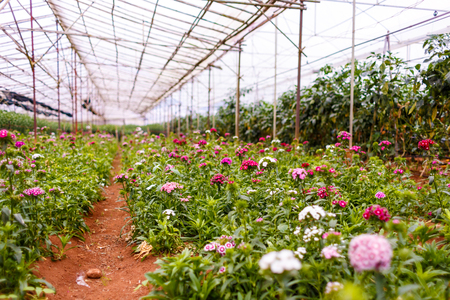

Introduction: The Indian Agriculture Landscape
Indias agricultural heritage is as diverse and vibrant as its people, forming the backbone of rural livelihoods and national culture. Across the fertile plains of Punjab, the lush deltas of Kerala, the arid stretches of Rajasthan, and the rolling hills of Assam, farming practices have evolved over centuries, blending age-old wisdom with modern innovations. Traditional Indian agriculture is deeply rooted in ecological understanding, with natural cycles guiding sowing, harvesting, and pest management. Major crops such as rice, wheat, sugarcane, cotton, and pulses dominate different regions, reflecting both climatic diversity and cultural preferences. Farming is not merely an occupation; it holds profound social and spiritual value. Agricultural festivals like Pongal in Tamil Nadu, Baisakhi in Punjab, and Onam in Kerala are celebrated with great enthusiasm, honouring nature’s bounty. Today, as Indian farmers face new challenges from climate change and market pressures, the debate between chemical and organic pesticides gains significance. This conversation is shaped by regional experiences, ancestral knowledge systems like Vrikshayurveda, and a growing awareness of sustainable living—making agriculture in India a unique confluence of tradition and transformation.
2. Understanding Chemical Pesticides in Indian Context
Chemical pesticides have played a significant role in shaping modern Indian agriculture since the Green Revolution of the 1960s. The adoption of chemical pesticides was initially seen as a boon, helping farmers manage pests and increase crop yields to feed a growing population. Over the decades, their usage has become widespread across states such as Punjab, Haryana, Maharashtra, and Andhra Pradesh.
History and Prevalence
The introduction of chemical pesticides began with products like DDT and BHC, which were heavily promoted by both government agencies and international organisations. Today, India is among the largest producers and consumers of chemical pesticides in Asia. According to recent data, over 60,000 metric tonnes of technical-grade pesticides are used annually.
Popular Chemical Pesticide Brands in India
| Brand Name | Common Product | Main Crop Usage |
|---|---|---|
| Bayer CropScience | Confidor (Imidacloprid) | Cotton, Rice, Vegetables |
| Syngenta | Actara (Thiamethoxam) | Paddy, Vegetables |
| UPL Limited | SAAF (Carbendazim + Mancozeb) | Wheat, Fruits |
| PI Industries | Osheen (Dinotefuran) | Sugarcane, Paddy |
| Dhanuka Agritech | Largo (Lambda-cyhalothrin) | Pulses, Oilseeds |
Local Perspectives on Chemical Pesticides
Indian farmers often rely on chemical pesticides for immediate pest control due to their quick action and availability. However, there is increasing awareness about the negative impacts such as soil degradation, declining beneficial insects like honeybees, and health risks for farm workers. In rural communities, some still trust traditional knowledge but feel pressured by market demands to adopt chemicals for higher productivity.
Government Regulations & Initiatives
The Government of India regulates pesticide use through the Insecticides Act of 1968 and its amendments. The Central Insecticides Board & Registration Committee (CIBRC) oversees the approval and banning of chemicals based on safety assessments. Recently, there is a push towards safer alternatives; several harmful substances have been restricted or phased out. The Ministry of Agriculture also promotes Integrated Pest Management (IPM) programs and provides training at Krishi Vigyan Kendras (KVKs) to reduce excessive chemical dependency.
Summary Table: Chemical Pesticides in Indian Farming
| Aspect | Description |
|---|---|
| History | Began with Green Revolution; rapid spread since 1960s |
| Main Brands/Players | Bayer CropScience, Syngenta, UPL Limited, PI Industries, Dhanuka Agritech etc. |
| Farmers’ Viewpoint | Effective but concerns over health & environment rising; mixed acceptance in rural areas |
| Regulatory Bodies & Laws | CIBRC under Ministry of Agriculture; Insecticides Act 1968; state-level enforcement; ongoing reforms and bans on certain chemicals |
The journey of chemical pesticides in India reflects both advancements and challenges. As local perspectives evolve and regulations tighten, Indian agriculture stands at a crossroad between tradition and modernity—a theme that continues to shape farmer experiences across the nation.

3. Organic Pesticides: Returning to Roots
India’s farming heritage is deeply rooted in natural pest management, long before the arrival of chemical solutions. Traditional Indian pest control practices harnessed the wisdom of generations, using ingredients easily found on the farm and within the village. Cow dung and cow urine have been trusted for centuries not only as fertilizers but also as potent agents against a range of pests, thanks to their antimicrobial properties. Farmers in Maharashtra, Rajasthan, and many other regions continue to prepare homemade concoctions, blending cow dung with water and spraying it over fields as a protective shield for crops.
The use of neem (Azadirachta indica) is another shining example of India’s organic ingenuity. Neem oil and crushed neem leaves are widely recognized across rural households for their insect-repellent qualities. These remedies are cost-effective, readily available, and pose no threat to human health or soil life. Similarly, turmeric, celebrated for its medicinal value, is used by farmers in states like Andhra Pradesh to deter fungal infections and soil-borne diseases.
Besides these time-tested resources, Indian farmers have innovated with local plants such as garlic, chilli, tulsi (holy basil), and even buttermilk sprays. This reliance on nature’s pharmacy reflects not just sustainability but also economic resilience—farmers save money while maintaining ecological balance. Over recent years, there has been a significant rise in awareness about organic certifications. Schemes such as NPOP (National Programme for Organic Production) and regional organic movements empower farmers to return to their roots while accessing premium markets at home and abroad. As consumer demand grows for pesticide-free produce, more Indian farmers are embracing these traditional yet effective organic methods, keeping the spirit of sustainable agriculture alive for future generations.
4. Farmers’ Experiences: Voices from the Field
Across India’s diverse agricultural landscape, farmers’ real-life experiences offer valuable insights into the ongoing debate between chemical and organic pesticides. Let us listen to the voices of farmers from various states who have experimented with both approaches, sharing their challenges, successes, and cultural perspectives.
Regional Testimonials: North to South
| Region | Farmer’s Story | Pesticide Used | Key Insights |
|---|---|---|---|
| Punjab (North) | Baldev Singh, a wheat farmer from Ludhiana, shifted to organic pesticides after noticing declining soil fertility and increased pesticide resistance. He initially faced yield drops but observed improved soil health and less input cost in the long run. | Chemical & Organic Neem Extracts | Soil health improvement; gradual adaptation required; government training helpful. |
| Maharashtra (West) | Sneha Patil, cultivating cotton in Vidarbha, highlighted heavy pest infestations managed quickly by chemicals, but with recurring costs and risk of crop burn. Switching to cow dung-based biopesticides reduced her expenses and improved her field workers’ health. | Chemical & Panchagavya Biopesticide | Lower recurring costs; safer working environment; slower pest control effect. |
| Tamil Nadu (South) | Ramasamy, a rice grower near Thanjavur, uses a blend—chemical sprays during severe outbreaks and homemade chili-garlic extract otherwise. He values traditional knowledge passed down by elders but acknowledges market pressure for perfect-looking grains. | Chemical & Traditional Herbal Mixes | Hybrid approach practical; consumer preferences influence choices. |
| West Bengal (East) | Ananya Dey from Nadia district practices SRI (System of Rice Intensification) and uses only organic pest management like Trichoderma. She reports better ecosystem balance and more beneficial insects on her farm. | Organic Only (Trichoderma, NPV) | Biodiversity increase; initial learning curve; community support crucial. |
Cultural & Practical Considerations
Farmers across regions cited these key factors influencing their choices:
- Community Knowledge: Many rely on advice from local Krishi Vigyan Kendras (KVKs) or progressive neighbours before making the switch.
- Cultural Practices: Use of Panchagavya, Jeevamrutham, and herbal concoctions is deeply rooted in tradition, especially in southern states.
- Market Demands: Some organic growers face challenges selling their produce at premium prices unless certified or part of a cooperative.
- Government Support: Subsidies for chemical pesticides still influence decisions in certain regions despite awareness campaigns about organic alternatives.
The Road Ahead: Learning & Sharing
The shift towards organic pest management is not uniform across India. While some farmers remain cautious due to immediate yield concerns, others are motivated by long-term sustainability and health benefits. Peer-to-peer learning, field demonstrations, and access to reliable organic inputs are empowering more Indian farmers to experiment with natural methods suited to their local conditions.
5. Economic and Environmental Impacts
When discussing the economic and environmental impacts of chemical versus organic pesticides in Indian agriculture, it is important to consider several key factors that directly affect both farmers livelihoods and the health of our ecosystems.
Comparative Costs for Farmers
Chemical pesticides often seem cost-effective initially due to their immediate availability and fast results. However, over time, repeated application leads to increased input costs as pests develop resistance. Many Indian farmers have reported rising debts from purchasing these inputs every season. In contrast, organic alternatives such as neem oil or cow dung-based preparations are locally sourced and promote on-farm resource recycling, which can reduce overall expenditure in the long run. Although there may be a learning curve and initial investment in organic farming techniques, the dependency on external inputs decreases over time.
Crop Yields and Quality
One common concern among Indian farmers is whether organic methods can match the yields of chemical-intensive farming. While chemical pesticides might boost short-term productivity, prolonged use has been linked to soil fatigue and pest resurgence, often resulting in diminishing returns over several seasons. Organic approaches, by enhancing soil fertility and biodiversity, may initially produce moderate yields but tend to improve crop quality—taste, nutrition, and shelf life—and maintain or even increase yield stability over time.
Soil Health and Ecosystem Balance
The Indian subcontinent’s diverse soils are particularly sensitive to chemical residues. Overuse of synthetic chemicals depletes soil microflora, reduces earthworm populations (our natural tillers), and pollutes water bodies through runoff. Organic pesticides, being biodegradable and ecosystem-friendly, contribute to richer soil structure and increased water retention. Traditional Indian knowledge like Panchagavya preparation revives soil vitality while maintaining harmony with local flora and fauna.
Long-Term Effects on Rural Livelihoods
The long-term impact of pesticide choice extends beyond immediate profits. Chemical dependency can lock smallholders into cycles of borrowing and vulnerability to price fluctuations. On the other hand, adopting organic methods often encourages community-based practices—like seed saving and collective composting—which foster self-reliance and local employment opportunities. As demand for organic produce rises in urban Indian markets, rural farmers stand to gain premium prices for their crops.
Towards Sustainable Prosperity
In conclusion, while chemical pesticides offer short-term gains, their hidden economic burdens and ecological risks are becoming more evident across India’s rural heartlands. Organic alternatives, rooted in traditional wisdom and ecological balance, present a pathway towards sustainable prosperity for both our farmers and the environment.
6. Challenges and Policy Directions
Barriers to Adopting Organic Pest Management
Despite the growing interest in organic pest management among Indian farmers, several barriers persist. Traditional dependence on chemical pesticides, lack of awareness about organic alternatives, and limited access to reliable information hinder widespread adoption. Many smallholders are concerned about initial yield drops during the transition period, which can directly impact their livelihoods. There is also a cultural perception that chemical inputs are more “modern” or effective, reinforced by decades of marketing and government subsidy structures.
Availability of Resources and Infrastructure
The success of organic pest management depends heavily on the availability of quality organic inputs such as neem oil, bio-pesticides, and natural predators. However, supply chains for these products are still underdeveloped in many rural areas. Farmers often face challenges in accessing training programs, credible certification bodies, and market linkages that offer premium prices for organic produce. The limited infrastructure for storage and transportation of perishable organic products further discourages farmers from making the switch.
Role of Government Support
The Indian government has initiated several programs like Paramparagat Krishi Vikas Yojana (PKVY) and National Mission for Sustainable Agriculture (NMSA) to promote organic farming. However, implementation gaps remain at the grassroots level. More robust extension services, financial incentives for conversion periods, and streamlined certification processes are needed to motivate farmers. Inclusion of indigenous knowledge systems and farmer-led participatory research can strengthen policy frameworks, making them more relevant to local needs.
Future Prospects for Sustainable Agriculture in India
Looking ahead, India’s sustainable agriculture movement holds significant promise if challenges are addressed holistically. Stronger policy support can bridge the gap between chemical-intensive practices and agroecological approaches rooted in Indian tradition. Digital platforms for knowledge sharing, public-private partnerships for input delivery, and consumer education campaigns about the health and environmental benefits of organic produce can create an enabling ecosystem. By overcoming existing barriers and leveraging India’s rich heritage of natural farming, the country can pave the way for a resilient agricultural future that sustains both its people and environment.