
Understanding the Indian Home Environment
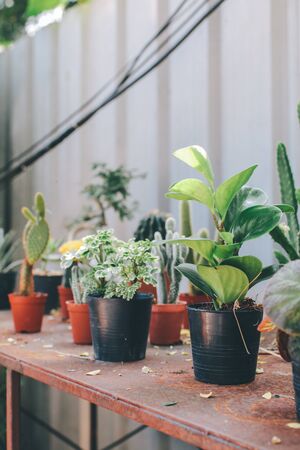
When choosing plant pots for your home in India, it’s essential to first consider the unique environment that Indian households offer. The diverse climatic conditions across the country—from the humid coasts of Kerala and Goa to the dry heat of Rajasthan or the cool hills of Himachal Pradesh—play a huge role in determining what kind of pots and plants will thrive. Additionally, many urban Indian homes have limited space, with balconies, window sills, and sometimes just a little patch near the entrance serving as green corners. This means you need to be smart about selecting pot sizes and shapes that fit snugly into these compact areas without crowding them. Typical Indian apartments also come with varied layouts, where natural sunlight can be scarce in some rooms and abundant in others. Before buying pots, observe how sunlight moves through your home during the day—certain spots might get harsh afternoon rays while others remain shaded. All these factors—climate, available space, and light patterns—should guide your choices when picking out plant pots for your Indian home.
2. Choosing Pots: Materials and Styles for Every Desi Home
When it comes to selecting pots for your Indian home, choosing the right material is as important as picking the perfect plant. Our homes—whether in bustling Mumbai, laid-back Goa, or somewhere in between—often come with their own quirks: sunny balconies, compact terraces, or airy living rooms. Each setting calls for a little thought before you buy your next plant pot. Here’s a quick look at some popular pot materials and where they shine best in Indian homes:
| Material | Best For | Desi Tips & Considerations |
|---|---|---|
| Terracotta (Mitti ke Gamla) | Balcony, terrace gardens | Breathable, keeps roots cool, classic desi vibe; needs frequent watering in hot weather; prone to breakage if dropped. |
| Ceramic | Indoor décor, patios | Aesthetic appeal, available in vibrant colours and patterns; heavier than plastic; check for drainage holes. |
| Plastic | All settings (especially high-rise balconies) | Lightweight, affordable, easy to move; heats up quickly in direct sun—best to keep in shade or indoors. |
| Metal (e.g., stainless steel, galvanized iron) | Modern homes, kitchen gardens | Sleek and stylish; durable but can heat up under the sun—ideal for shaded areas or indoor use. |
If you’re setting up a typical Indian balcony garden (“chhota sa bagicha”), terracotta pots are a nostalgic favourite—they let roots breathe during our scorching summers but may need extra care during monsoons. Ceramic pots add a touch of elegance to your living room and go well with money plants or indoor palms. Plastic pots are super practical for high-rise apartments because they’re light and don’t crack easily. For those into contemporary décor, metal planters bring a chic vibe—just remember to avoid placing them where they’ll get too hot!
Mixing materials can also add character to your space. Try grouping different styles for a playful look (“thoda hatke!”). Whatever you choose, always check for proper drainage holes—a small detail that makes all the difference when caring for plants in humid Indian climates.
3. Size Matters: Picking the Right Pot for Indian Plants
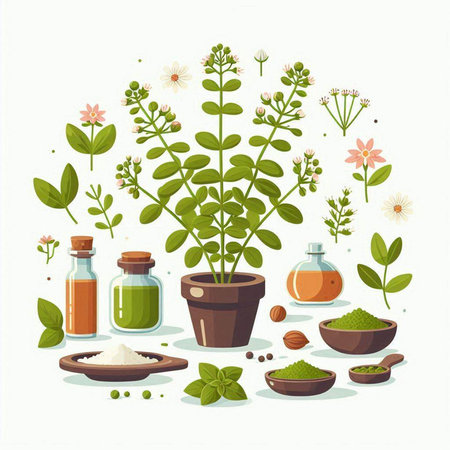
When it comes to nurturing plants in Indian homes, choosing the correct pot size is as important as selecting the right plant. Our living spaces—whether a compact Mumbai flat or a sprawling bungalow in Bengaluru—demand pots that fit both our interiors and the needs of our beloved plants. For sacred tulsi (holy basil), which holds a special place in many Indian households, opt for a medium-sized pot (8-12 inches in diameter). This gives its roots space to breathe and thrive, especially if you keep your tulsi outdoors or on a sunny balcony. For money plants, which are popular for both vastu and aesthetic reasons, smaller pots (6-8 inches) work well, especially when placed on kitchen windowsills or hanging near entrances. These climbers are forgiving and adapt easily to confined spaces, making them ideal for apartments. If you’re growing curry leaf (kadi patta), remember this plant prefers deeper pots—a minimum of 12 inches deep—to encourage strong root growth. This is particularly important if you plan to keep your curry leaf plant for several years.
Accommodating Different Spaces
Space constraints are common in urban flats, so use vertical gardening techniques or wall-mounted planters for small herbs and creepers. In bungalows with courtyards, larger floor pots or even traditional earthen gamlas can be used for bigger plants like hibiscus or jasmine. Always ensure pots have drainage holes to prevent waterlogging, especially during the monsoon season prevalent across much of India.
Quick Tip
If you’re unsure about pot size, start small—you can always repot as your plant grows! Matching the pot size to your plant’s root system ensures healthy growth and makes caring for your indoor garden much easier.
4. Desi Tips for Pot Placement and Sunlight
In Indian homes, where sunlight patterns change with every season and the monsoon brings its own set of challenges, pot placement becomes both an art and a science. To keep your plants happy and healthy, you must consider not just the available space but also traditional wisdom like Vastu Shastra and practical factors like light exposure and airflow.
Best Spots for Pots in Indian Homes
Every Indian home is unique, but some classic spots always work well for placing plant pots:
| Spot | Why It Works | Popular Plants |
|---|---|---|
| East Balcony or Window Sill | Gets gentle morning sunlight, ideal for most indoor plants. | Tulsi, Snake Plant, Money Plant |
| North-facing Corners | Receives diffused light; great for shade-loving plants. | Pothos, Ferns, Peace Lily |
| Terrace/Garden Area | Abundant sunlight; suitable for sun-loving varieties. | Aloe Vera, Hibiscus, Curry Leaf Plant |
| Main Door Entrance (as per Vastu) | Brings positive energy and prosperity into the home. | Basil (Tulsi), Jade Plant |
| Staircase Landings | Adds greenery to unused spaces; indirect light is common here. | Sansevieria, ZZ Plant |
Vastu Tips for Pot Placement
- Tulsi (Holy Basil): Place in the North-East direction for good vibes and spiritual growth.
- Bamboo or Lucky Plants: Best kept in the East or South-East to attract wealth.
- No Thorny Plants: Avoid cacti near entrances or living areas as per Vastu beliefs.
- Avoid Dry or Dying Plants: Remove unhealthy plants promptly to maintain positive energy at home.
Optimizing Sunlight with Seasons & Monsoons
The Indian climate demands flexibility. Summer sun can be harsh while winters may mean less natural light. During monsoons, overwatering and fungal issues are common. Here’s how you can optimize:
| Season | Sunlight Strategy |
|---|---|
| Summer (March-June) | Move pots to semi-shade; use sheer curtains indoors to filter strong rays. |
| Monsoon (July-September) | Avoid waterlogging; place pots on stands to enhance drainage and prevent root rot. |
| Winter (October-February) | Shift pots towards south-facing windows; ensure maximum daylight exposure. |
Quick Desi Hack:
If you notice yellowing leaves, it could be due to too much rainwater or poor sunlight—adjust placement accordingly! Keep rotating your pots every few weeks so all sides get even sunlight, ensuring lush and healthy growth all year round in your Indian home.
5. Caring for Pots in Indian Conditions
Watering Schedules: Tailored to the Indian Climate
India’s diverse climate means your pot watering routine needs flexibility. In summer, especially in regions like Rajasthan or Tamil Nadu, daily watering may be necessary as pots dry out quickly. During winter or in cooler places like Himachal Pradesh, reduce watering to avoid root rot. Always check the top inch of soil; water only if it feels dry. Early morning or late evening is best for watering to prevent quick evaporation.
Dealing with Hard Water
Many Indian cities have hard water, which can leave white deposits on pots and harm sensitive plants. If possible, use rainwater collected during monsoons or let tap water sit overnight before using it. Occasionally, flush pots with filtered or distilled water to reduce salt buildup. Scrub any visible deposits from the pot rim to keep them clean and healthy.
Monsoon-Related Challenges
The monsoon brings its own set of issues—too much moisture can cause waterlogging and root rot. Make sure your pots have proper drainage holes and place a layer of broken terracotta pieces or stones at the base before adding soil. Move pots under eaves or sheltered balconies when rainfall is intense, and avoid letting saucers collect stagnant water beneath pots.
Preventing Fungus and Pests
Humid conditions during monsoon can invite fungus and pests like snails, slugs, or aphids. Sprinkle neem cake powder on the soil surface as a natural deterrent. Regularly inspect leaves and soil for signs of mould or bugs—early intervention is key! Wipe leaves with a soft cloth and consider using organic sprays like diluted neem oil for persistent problems.
Quick Tips for Healthy Pots All Year Round
- Rotate pots periodically for even sunlight exposure.
- Avoid overcrowding pots to ensure good air circulation.
- Refresh the topsoil every few months with compost or cocopeat.
By adapting your care routine to local conditions, your plants—and their pots—will stay beautiful and thriving through all of India’s changing seasons.
6. Traditional Touch: Reusing Items as Pots
One of the most charming and sustainable aspects of Indian gardening is the art of jugaad—finding creative solutions using what’s already at home. In many Indian households, it’s common to see plants thriving in repurposed containers rather than new store-bought pots. Old matkas (earthen water pots) are especially popular for their natural cooling properties and breathability, making them perfect for growing herbs or flowering plants on balconies and terraces. Similarly, worn-out buckets, steel tins, or even large plastic bottles can be given a new lease on life as plant holders. These household items not only add a rustic, traditional touch to your home garden but also promote eco-friendly gardening by reducing waste. Before planting, make sure to drill drainage holes at the bottom of these containers and line them with small stones or broken tiles to prevent root rot. You can paint or decorate these makeshift pots with bright colours and ethnic motifs for that extra desi vibe. By embracing these Indian jugaad methods, you not only save money but also contribute positively to the environment while keeping your plant collection unique and rooted in local culture.