
1. Growing Traditional Indian Herbs and Spices
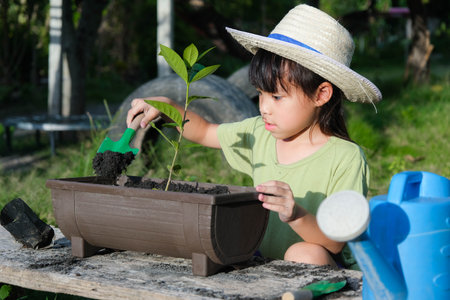
One of the most exciting ways to introduce kids in India to gardening is by helping them grow traditional Indian herbs and spices at home. Children can start with simple and popular plants such as tulsi (holy basil), dhania (coriander), and pudina (mint). These are staples in Indian households, both for their aromatic flavours and their cultural significance. By engaging in this activity, kids not only learn how to plant seeds, water them, and watch them sprout, but also discover the importance of these herbs in daily Indian cooking.
Encourage children to observe the different stages of growth, from germination to harvesting. Teach them about the unique benefits each herb offers—tulsi for its medicinal properties, coriander for its fresh taste in chutneys, and mint for its cooling effect in summer drinks like nimbu paani. Make it even more interactive by involving them in small tasks such as plucking fresh leaves for chai or garnishing dal tadka. This hands-on experience helps children appreciate where their food comes from while fostering a sense of responsibility and connection to their roots.
Creating Rangoli-inspired Garden Art
In India, Rangoli is an age-old art form that brightens up homes and courtyards during festivals like Diwali, Pongal, and Onam. Why not bring this colourful tradition outdoors and blend it with gardening? Invite kids to design vibrant garden corners by arranging flower petals and leaves in beautiful Rangoli patterns. This activity nurtures their creativity while introducing them to the cultural significance of Indian festivals.
How to Get Started
Begin by gathering natural materials from your garden or local market. Encourage children to pick fallen petals, fresh leaves, seeds, and even coloured sand. Guide them to sketch simple shapes—like circles, paisleys, or diyas—on a patch of soil or a flat stone slab. Then, let their imagination run wild as they fill in these designs using the collected materials.
Popular Materials for Rangoli-inspired Garden Art
| Material | Common Indian Name | Suggested Use |
|---|---|---|
| Marigold Petals | Genda Phool | Create bright borders and sun-like centres |
| Rose Petals | Gulab Ke Patte | Add rich reds and pinks to floral motifs |
| Mango Leaves | Aam Ke Patte | Form green outlines or leafy fills |
| Coloured Sand/Powder | Rangoli Powder/Chandan | Fill intricate spaces for extra vibrancy |
| Pulses & Grains | Dal & Anaaj | Create texture and earthy tones in patterns |
Tips for Parents & Teachers:
- Discuss the importance of Rangoli in Indian culture while guiding kids through the process.
- Encourage teamwork by having children work together on larger designs during festivals.
- Use eco-friendly, natural materials to promote sustainability and respect for nature.
- Capture their creations with photos before the wind scatters the petals!
This delightful fusion of gardening and folk art not only enhances outdoor spaces but also helps children connect with Indian traditions in a hands-on, playful way.

3. Upcycling with DIY Planters
Transforming everyday items into unique planters is a fantastic way to teach kids about sustainability while celebrating Indian culture. Instead of throwing away old chai cups, clay pots (matkas), or coconut shells, encourage your children to give them a new lease on life as eco-friendly homes for plants. This hands-on activity not only reduces waste but also sparks creativity and resourcefulness.
Start by gathering used items from around your home or neighbourhood. Chai cups, whether glass or stainless steel, can be cleaned and painted in vibrant colours. Let kids decorate them with traditional patterns like paisleys or mandalas using non-toxic paints. Clay pots, so common in Indian households, can be upcycled by painting them with scenes from village life or favourite festivals. Coconut shells—often discarded after enjoying the refreshing water—make excellent natural planters for small herbs or succulents. Their rustic look adds an earthy charm to any balcony or window sill.
This gardening activity helps children understand the importance of reusing materials and caring for the environment in a way that feels familiar and meaningful. As they plant seeds or saplings into their DIY planters, talk to them about how these small actions contribute to a greener India. Encourage them to share their creations with friends and family, spreading the message of sustainability with a uniquely Indian twist.
4. Discovering Wildlife in the Indian Garden
One of the most magical aspects of gardening in India is the opportunity to observe a variety of fascinating wildlife right in your backyard or terrace garden. Encourage children to pay close attention to the butterflies, bees, and birds that are attracted to native Indian plants. This hands-on exploration not only sparks curiosity but also helps kids understand the rich biodiversity unique to India’s urban and rural landscapes.
Why Observe Wildlife in Your Garden?
When kids watch how different creatures interact with their garden, they learn about pollination, food chains, and the vital role that even the smallest insects play in maintaining ecological balance. It’s an excellent way to connect theoretical science lessons with real-life experiences, especially when observing species such as:
| Wildlife | Common Species in India | What Kids Can Learn |
|---|---|---|
| Butterflies | Lime Butterfly, Common Mormon, Blue Tiger | Pollination process, butterfly life cycle |
| Bees | Indian Honey Bee (Apis cerana indica), Carpenter Bees | Importance of bees for crops, hive structure |
| Birds | Bulbul, Sunbird, Koel | Nesting habits, bird calls, migration patterns |
Simple Activities to Spark Curiosity
- Create a Nature Journal: Give each child a notebook to record drawings or observations of insects and birds seen in the garden.
- Set Up a Bird Feeder: Use local grains like bajra or rice to attract native birds and watch their feeding behavior.
- Observe at Different Times: Visit the garden at sunrise or just after rain—the best times for spotting active butterflies and birds.
- Plant Native Species: Include plants like hibiscus, tulsi, or marigold which are known to attract local pollinators.
Cultural Connections: Learning Through Local Stories
Telling stories from Indian folklore about animals and nature can deepen children’s appreciation for local wildlife. For instance, share tales about the koel’s melodious song during mango season or how butterflies are considered symbols of transformation in many regional cultures. These narratives make wildlife observation meaningful and rooted in Indian heritage.
5. Monsoon Gardening Adventures
The Indian monsoon brings life to our cities, villages, and gardens with its refreshing rains and lush greenery. This season is the perfect time to introduce kids to a rainy season mini-garden. Monsoon gardening not only excites children but also teaches them about the wonders of nature’s cycles.
Getting Started with Your Monsoon Mini-Garden
Encourage children to choose a small patch of land, balcony space, or even recycled containers like old buckets and paint tins. Make sure the spot receives adequate rainwater but does not get waterlogged. Guide kids in preparing healthy soil by mixing garden soil with compost or cow dung—widely available in local markets.
Selecting Fast-Growing Monsoon Plants
India’s monsoon climate supports many quick-growing plants. Let your little ones pick seeds that sprout rapidly and thrive in wet weather. Some popular options include:
- Methi (Fenugreek): Grows within 10-15 days and can be harvested as microgreens or leaves.
- Coriander (Dhaniya): Sprouts quickly and adds fresh flavor to Indian dishes.
- Spinach (Palak): Thrives in moist conditions and is ready for harvest in just a few weeks.
- Pumpkin (Kaddu) & Bottle Gourd (Lauki): These traditional Indian vegetables love monsoon showers and watching their vines grow excites kids.
Pro Tips for Monsoon Gardening with Kids
- Let children poke holes in containers for drainage using safe tools.
- Teach them to sow seeds at the correct depth—usually two knuckles deep for most Indian veggies.
- Create simple rain gauges with plastic bottles so kids can measure rainfall and learn basic science.
Through these hands-on experiences, children gain a deeper connection to India’s unique seasons, discover new tastes from their harvests, and learn how urban spaces—even the smallest balconies—can burst into life during the magical monsoons.
6. Celebrating Indian Festivals with Themed Plantings
One of the most joyful ways to inspire children in India to love gardening is by linking planting activities to local festivals. By doing so, you not only create memorable experiences but also pass on cultural values and traditions. For example, encourage kids to plant vibrant marigolds before Diwali, the festival of lights. Marigolds are widely used for making garlands and decorating homes during this festival, so children will feel proud seeing their home adorned with flowers they grew themselves.
Similarly, Ugadi—the New Year festival celebrated in states like Andhra Pradesh, Telangana, and Karnataka—is a perfect time to teach kids about mango saplings. Mango leaves are considered auspicious and are commonly used for making torans or door hangings during this festival. Involve your children in planting mango saplings just before Ugadi and explain how these trees will one day provide shade, fruit, and beautiful leaves for future celebrations.
You can also explore other Indian festivals such as Holi, where growing colorful flowering plants like hibiscus and zinnias can be fun. For Pongal or Makar Sankranti, let children help sow rice or sugarcane in small garden patches or pots. These activities not only connect them with nature but also deepen their understanding of Indias rich festival calendar.
By weaving gardening into the fabric of local festivities, you make the activity culturally meaningful. It becomes more than just a hobby—it turns into a tradition that celebrates family togetherness, environmental care, and Indian heritage. Encourage children to journal their planting journeys for each festival and share stories with grandparents or neighbors, strengthening community bonds through green celebrations!